How Wearable Health Tech Is Making Preventive Care Easier
Last updated
HealthTech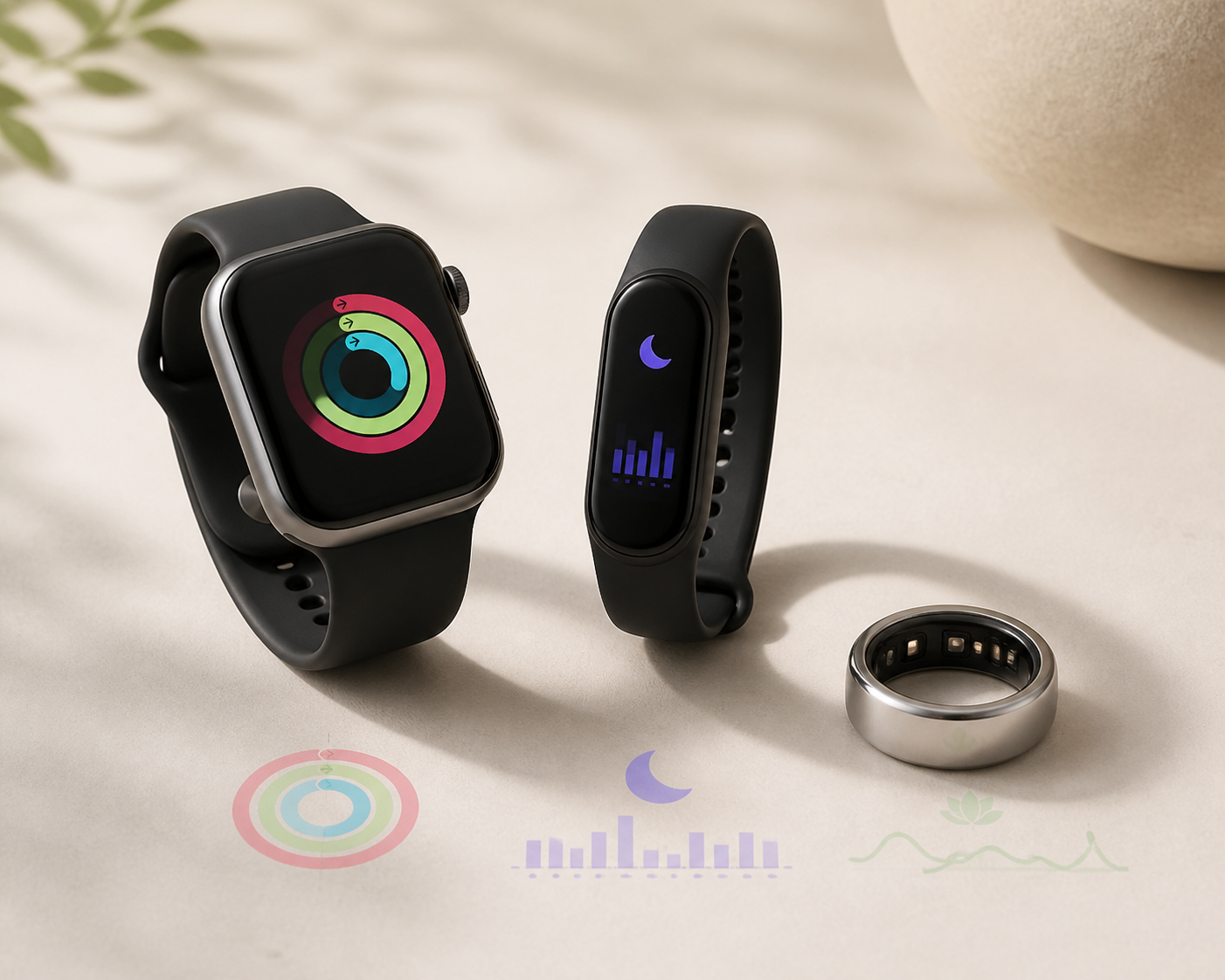
Wearable health tech is becoming one of the simplest ways to make preventive care more practical. The basic idea is not complicated: if a device can track patterns like activity, heart rate, sleep, or recovery, it can help people notice changes earlier. That matters because preventive care works best when problems are caught before they become obvious. The NIH explains that wearable sensors can monitor a wide range of personal health measures and, in some cases, detect early signs of illness through changes in vital signs.
That shift is important because preventive care often fails for a very human reason: people do not notice subtle changes until they have already become bigger problems. A wearable can turn vague feelings like “I’ve been tired lately” or “my activity seems lower” into measurable patterns. It can also make it easier to compare one week to the next instead of relying on memory. That makes the conversation with a doctor, trainer, or health coach much more grounded.
The most useful part of wearable health tech is not that it replaces clinical care. It is that it makes everyday monitoring easier. A person does not need to guess whether sleep quality changed, whether step count dropped, or whether recovery after exercise is taking longer than usual. Those signals can be tracked passively in the background, which lowers the effort needed to stay aware of health over time.
That is why wearables are becoming part of the new normal in preventive care. They reduce the gap between “I feel fine” and “something is changing.” In a 2026 review in Nature, wearable technology was described as capable of translating continuous measurement into more meaningful personalized insights, while also emphasizing that validation and clinical rigor are essential. In other words, the promise is real, but it works best when the data is interpreted carefully.
One reason wearables are so useful is that preventive care is mostly about trends, not single moments. A single bad night of sleep does not mean much. A lower step count for one day may be nothing. But a pattern across several days or weeks can matter. Wearable tech makes those patterns visible. That is especially helpful for people trying to be proactive rather than reactive.
This is also where wearables fit into broader evidence on behavior change. Research on activity monitors has shown that these devices can support increased physical activity and healthier routines. A systematic review in The Lancet Digital Health found that wearable activity trackers can improve physical activity and related health outcomes. A BMJ systematic review and meta-analysis also found that physical activity monitors can improve activity levels in adults. That matters because prevention is easier when the tool itself helps people stay engaged with the behavior.
Wearables can also make preventive care feel less abstract. Instead of saying “I should be more active” or “I should watch my sleep,” the user can actually see progress. That feedback loop can be motivating. The American Heart Association reported in 2026 that smartphone apps and wearables helped people with heart disease increase step counts and moderate-to-vigorous physical activity, which is a useful example of how digital tools can support long-term care habits.
The same logic applies to early detection. NIH notes that continuous wearable monitoring can reveal changes in vital signs that may signal infection or other health shifts earlier than expected. Wearable sensors that does not mean every fluctuation is a warning sign. It does mean people and clinicians have a better chance of seeing a problem when it is still small.
The real value of wearable health tech is that it lowers the friction of prevention. It is easier to stay aware when the data is collected automatically. It is easier to notice change when the trend is visualized clearly. It is easier to act early when the information is already organized. Preventive care works better when the system makes small changes harder to miss.
Of course, wearables are not perfect. They can be influenced by fit, user behavior, device quality, and interpretation. A tracker is only useful if the data is accurate enough and the user understands what it means. That is why the strongest advice from the research is not to trust every number blindly. It is to use wearables as a support layer for better decisions. The tech should make care easier, not more confusing.
Still, the direction is clear. Wearable health tech is making preventive care easier because it helps people monitor more consistently, notice change earlier, and act with better information. That is a meaningful shift. Preventive care has always depended on awareness, and wearables are making awareness much easier to maintain.