How Smart Homes Can Improve Life for Pets and Pet Parents
Last updated
AI PetTech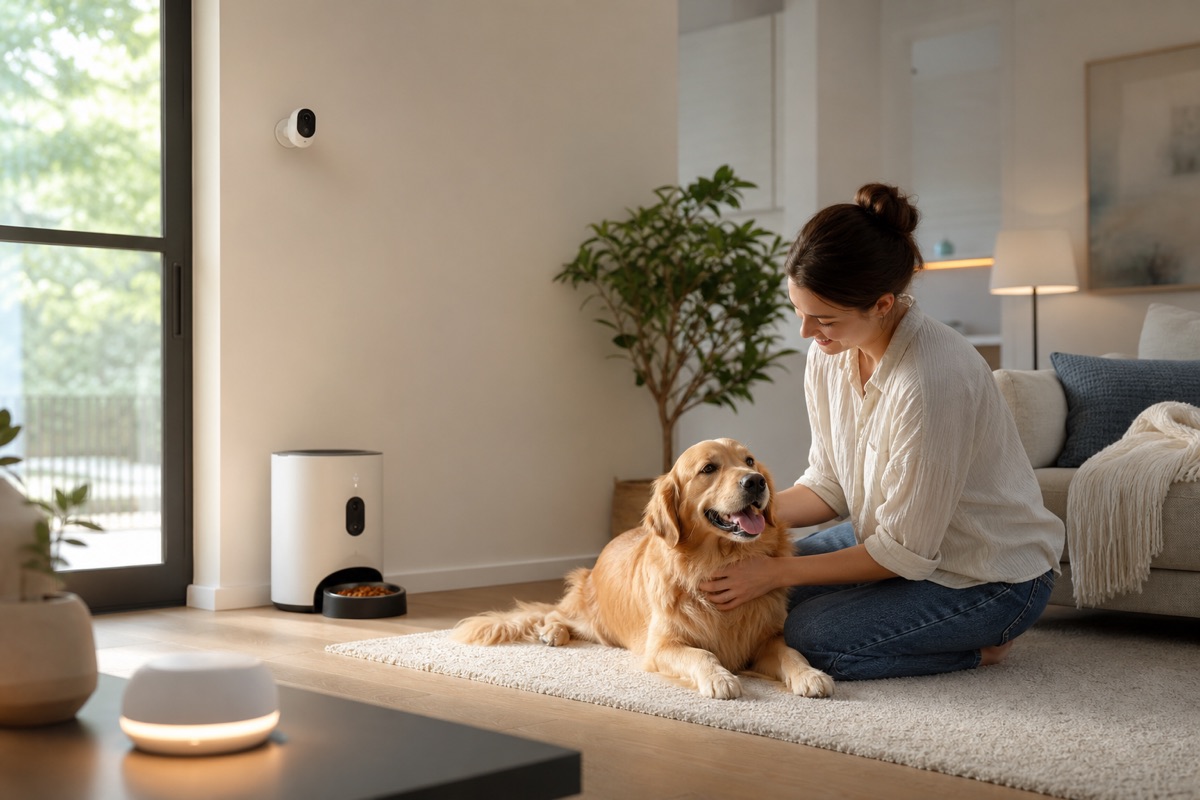
Smart homes are becoming more useful for pet families because they can reduce friction in the parts of daily life that matter most: comfort, safety, routine, monitoring, and peace of mind. A connected home can help pets feel more settled when nobody is there, while also making it easier for pet parents to keep track of what is happening at home. That is a practical shift, not a flashy one. The best smart home tools are the ones that make care easier to manage without turning the house into a control room.
One of the clearest benefits is routine. Pets, especially dogs and cats, tend to do better when their day feels predictable. Smart lighting, temperature control, automated feeding, and app-based reminders can support that consistency without requiring the owner to be physically present every moment. Google’s pet-focused automation examples show how connected lighting and home routines can be used to ease anxiety and make pets more comfortable when people are away. Google Home for pets That is a simple idea, but it matters. A pet that knows when the house gets brighter, cooler, or quieter is often a pet that has a more stable environment.
Smart homes are also improving monitoring. Pet parents do not just want automation anymore; they want awareness. Newer systems are starting to combine cameras, motion sensing, smart tags, feeding data, and health dashboards so owners can see whether a pet’s behavior is changing. Samsung’s AI Living pet-care features, for example, highlight how connected devices can help pet parents monitor routines, track activity, and notice unusual behavior patterns. Samsung AI Living That kind of visibility can be useful when a pet is recovering from illness, showing signs of stress, or simply changing behavior over time.
The value of that monitoring is not that it replaces a veterinarian. It is that it helps owners catch change earlier. A dog sleeping more than usual, a cat not moving around as much, or a pet eating differently can be easier to notice when a smart home system is already tracking patterns in the background. That is especially relevant because pets often hide discomfort. A smart home cannot diagnose disease, but it can help point out that something is different. In that sense, it becomes part of preventive care.
Another benefit is emotional support. Many pet parents worry about what happens at home when they leave. Smart pet tech can reduce that stress by letting people check in remotely, adjust lighting or temperature, and verify that a pet is safe and calm. Google’s examples include automations that brighten rooms at sunset so pets are not left in a dark, empty house for too long. Google Home for pets That sounds small, but for a pet that gets anxious when alone, small environmental cues can make a real difference.
The home itself can also become more health-aware. Smart feeders, litter systems, water dispensers, and pet monitors can help owners notice changes in appetite, hydration, elimination, and activity. PETKIT’s 2026 smart pet care ecosystem is a good example of the direction the category is heading: connected devices that do more than automate tasks, and instead build a data-driven picture of the pet’s daily health. PETKIT CES 2026 That matters because a change in eating or litter box habits can be one of the earliest signs that something is off.
Smart homes can also make life easier for the humans in the house. Pet parents already juggle feeding, walks, vet visits, grooming, and everyday care on top of work and family responsibilities. Connected routines reduce some of that load. A reminder system can prevent missed medication. A smart feeder can keep meal timing consistent. A camera can save a trip home just to check on a pet. Those conveniences do not just save time. They reduce mental clutter, which is often the hidden cost of care.
There is also a bigger trend behind all of this. According to a 2026 systematic review on AI in companion animal care, AI and connected sensing tools are increasingly being used for diagnosis, behavior analysis, and welfare monitoring in pets. Companion animal AI review That does not mean every smart home product is clinically useful. It means the category is maturing. The most promising tools are the ones that combine convenience with real observation, so the home becomes a better place for care instead of just a more automated one.
The best version of smart-home pet care is calm, not complicated. It is not about filling the house with gadgets. It is about using the right tools to support a more stable, safer, and more responsive environment for pets and the people who care for them. When it works well, the pet is more comfortable and the owner is less worried. That is the real value.